Horse Tales: Legendary Horses in Mythology and Folklore
In the vast landscape of human imagination, horses have galloped their way into countless stories, solidifying their legendary status in mythology and folklore across cultures. Enigmatic, majestic, and untamed, these gentle giants have become the embodiment of freedom, power, and grace. From the celestial realms of Greek mythology to the ancient plains of medieval Europe, Horse Tales: Legendary Horses in Mythology and Folklore invites us to journey through the ethereal realms where these magnificent creatures reign supreme. This enchanting exploration unveils the captivating sagas of mythical horses that have inspired and captivated minds throughout the ages, leaving an indelible hoofprint on the tapestry of human stories. So saddle up and prepare to embark on an extraordinary voyage, as we delve into the captivating tales that whisper through the winds, all in celebration of the unparalleled allure of these timeless equine legends.
Majestic Steeds: Exploring the Enchantment of Legendary Horses
Horse Tales: Legendary Horses in Mythology and Folklore
Horses have long captivated the human imagination, and throughout history, they have been the subject of countless myths and legends. These majestic steeds, with their immense strength, grace, and beauty, have played a central role in cultures around the world. From the mythical Pegasus to the legendary Sleipnir, let’s embark on a journey to explore some of the most enchanting horses from mythology and folklore.
The Pegasus: A Winged Wonder
Perhaps the most famous of all legendary horses, the Pegasus is a symbol of freedom and transcendence. According to Greek mythology, Pegasus was born from the blood of the slain Medusa and was tamed by the hero Bellerophon. Known for its striking wings that allowed it to take flight, Pegasus is often depicted as a white horse soaring through the heavens. Its association with poets and the Muses signifies the horse’s connection to inspiration and creative endeavors.
Legends surrounding Pegasus vary, but it is commonly believed that wherever its hoof touched the ground, a fresh water spring would emerge. This association with purity and life-giving power adds to the allure and mystique of this mythical creature.
Sleipnir: Odin’s Eight-Legged Companion
In Norse mythology, Sleipnir is the astonishing eight-legged horse ridden by the chief of gods, Odin. This powerful and swift steed was born from the mischievous Loki, who transformed into a mare to trick and distract a powerful stallion. Sleipnir’s exceptional speed and agility made it an unparalleled mount, enabling Odin to travel between the realms of the cosmos and communicate with various beings.
With its eight legs, Sleipnir is often associated with the number eight which holds significance in Norse mythology. The horse’s inclusion in numerous Norse tales further demonstrates its status as a loyal and trusted companion to Odin.
Bucephalus: Alexander the Great’s Valiant Steed
Born in Macedonia, Bucephalus was one of the most famous horses in history and a faithful companion to Alexander the Great. This magnificent horse was known for its striking black coat and a distinctive white star on its forehead. Alexander was reportedly the only rider capable of subduing Bucephalus, showcasing their remarkable bond.
Bucephalus joined Alexander on numerous military campaigns, including the Battle of Gaugamela, where it played a pivotal role in the triumph of the Macedonian army. After the horse’s death, Alexander mourned deeply and named a city Bucephala in honor of his beloved steed.
The Myths and Magic: Unraveling the Tales of Divine Equines
Legendary Horses in Mythology and Folklore
In the vast tapestry of human folklore and mythology, horses have held a special place as creatures of wonder and awe. These magnificent animals have charmed and captivated our imaginations for centuries, inspiring tales of heroism, love, and adventure. From the majestic Pegasus of Greek mythology to the swift and mystical unicorns of folklore, horses have taken on various forms and roles, often embodying the ideals and aspirations of cultures around the world.
One of the most renowned legendary horses is undoubtedly the mythical Pegasus. Born from the blood of the slain Medusa, this winged horse represents the epitome of grace and freedom. With its ability to fly amongst the divine, Pegasus symbolizes the sky, bridging the gap between mortal and immortal realms. Its wings, white as snow and shimmering like a constellation, carry chosen heroes on their quests. While Pegasus is often associated with Greek mythology, similar magical horses can be found in the legends of other cultures such as the Sleipnir in Norse mythology and the Tianma in Chinese folklore.
Another legendary horse that has left an indelible mark in myths and legends is the unicorn. These ethereal creatures, with their single spiraling horn, embody purity, virtue, and a touch of mysticism. From the tapestries of the Middle Ages to the tales of medieval knights, the unicorn has been a cherished symbol of strength and grace. Legends speak of its elusive nature, only allowing the purest-hearted individuals to witness its presence. The unicorn’s mystical properties, such as the ability to heal, serve as a testament to the horse’s revered status in ancient lore.
A Journey Through Cultural Legends: Celebrating Horses in Folklore
In the realm of mythology and folklore, horses have long held a significant place. These magnificent creatures, known for their strength and elegance, have inspired countless tales and legends across cultures worldwide. From the majestic Pegasus in Greek mythology to the legendary unicorn of European folklore, horses have captured our imagination, symbolizing not only power and freedom but also loyalty and wisdom.
One famous horse figure in mythology is Sleipnir, the eight-legged steed of the Norse god Odin. With its unmatched speed and ability to traverse different realms, Sleipnir has played a crucial role in many Norse tales, serving as a partner and aid to Odin in his adventures. Another intriguing horse legend comes from Indian mythology, where Uchchaihshravas, a celestial white horse, emerged during the churning of the sea. Known as the king of horses, Uchchaihshravas symbolizes prosperity and abundance.
Horses have also held a significant place in Native American folklore, with tribes such as the Lakota and Cheyenne associating these noble creatures with different spiritual meanings. For instance, the Lakota people believe in the existence of the mystical horse called the ”Heyoka,” which possesses the power to heal and communicate with the spirit world. Similarly, the Cheyenne tribe has a legend about the White Buffalo Horse, a sacred being closely tied to their creation myth and seen as a divine messenger.
Honoring Legendary Horses: Discovering Symbolism and Significance
Horse Tales: Legendary Horses in Mythology and Folklore
Symbols and Meanings
In many ancient cultures, horses were revered and considered divine creatures, embodying qualities such as strength, speed, and grace. These legendary horses often represented various symbols and held great significance. Let’s explore some remarkable examples:
- Pegasus: This winged horse from Greek mythology symbolized freedom, creativity, and inspiration. Mounted by heroes like Bellerophon, Pegasus became a representation of untamed ambition and the power to overcome challenges.
- Sleipnir: In Norse mythology, Sleipnir was an eight-legged horse ridden by the god Odin. Renowned for its swiftness and intelligence, this mythical steed was a symbol of shamanic journeys between worlds and a connection to the spirit realm.
- Kelpie: Originating from Scottish folklore, the Kelpie was a shape-shifting water horse, often seen as a harbinger of danger. It embodied the unpredictable forces of nature, cautioning against letting appearances deceive and reminding us to approach life with skepticism and vigilance.
Legends and Stories
Throughout mythology and folklore, legendary horses played central roles in captivating tales that continue to captivate our imaginations:
- The Trojan Horse: One of the most famous legends, this deceitful equine masterpiece allowed Greek soldiers to infiltrate Troy and achieve victory. The Trojan Horse symbolizes the tactical cunning that can outwit even the mightiest adversaries.
- Epona, Goddess of Horses: Revered in Celtic mythology, Epona was the protector of horses and the divine embodiment of their loyalty and fertility. Her tales showcased the mutual bond and reliance between humans and horses and demonstrated the importance of nurturing and respecting these majestic creatures.
- Wildfire from Westeros: In George R.R. Martin’s “A Song of Ice and Fire” series, the horse named Wildfire exemplifies freedom, strength, and loyalty. Serving as Daenerys Targaryen’s trusted companion, this legendary steed demonstrates the profound bonds we can form with animals and the courage they inspire within us.
Cultural Impact and Influence
Legendary horses have left an indelible mark on our collective consciousness and continue to influence various aspects of human society:
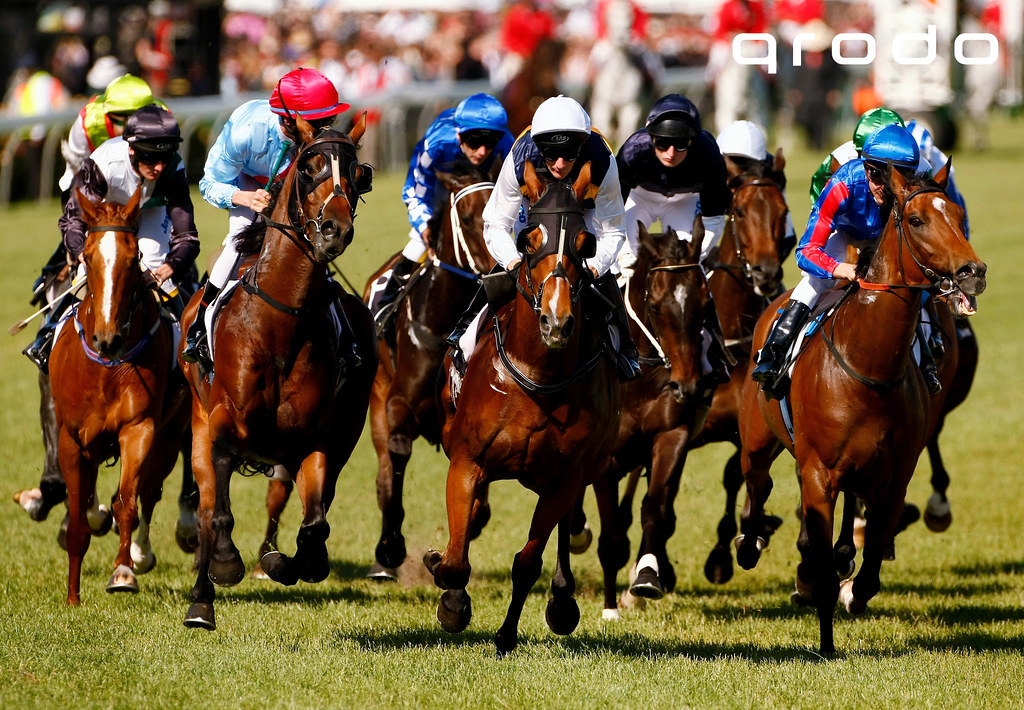
- Horse Races: The thrill of horse racing, inspired by the incredible speed and competitiveness of these magnificent animals, has become a cultural phenomenon worldwide.
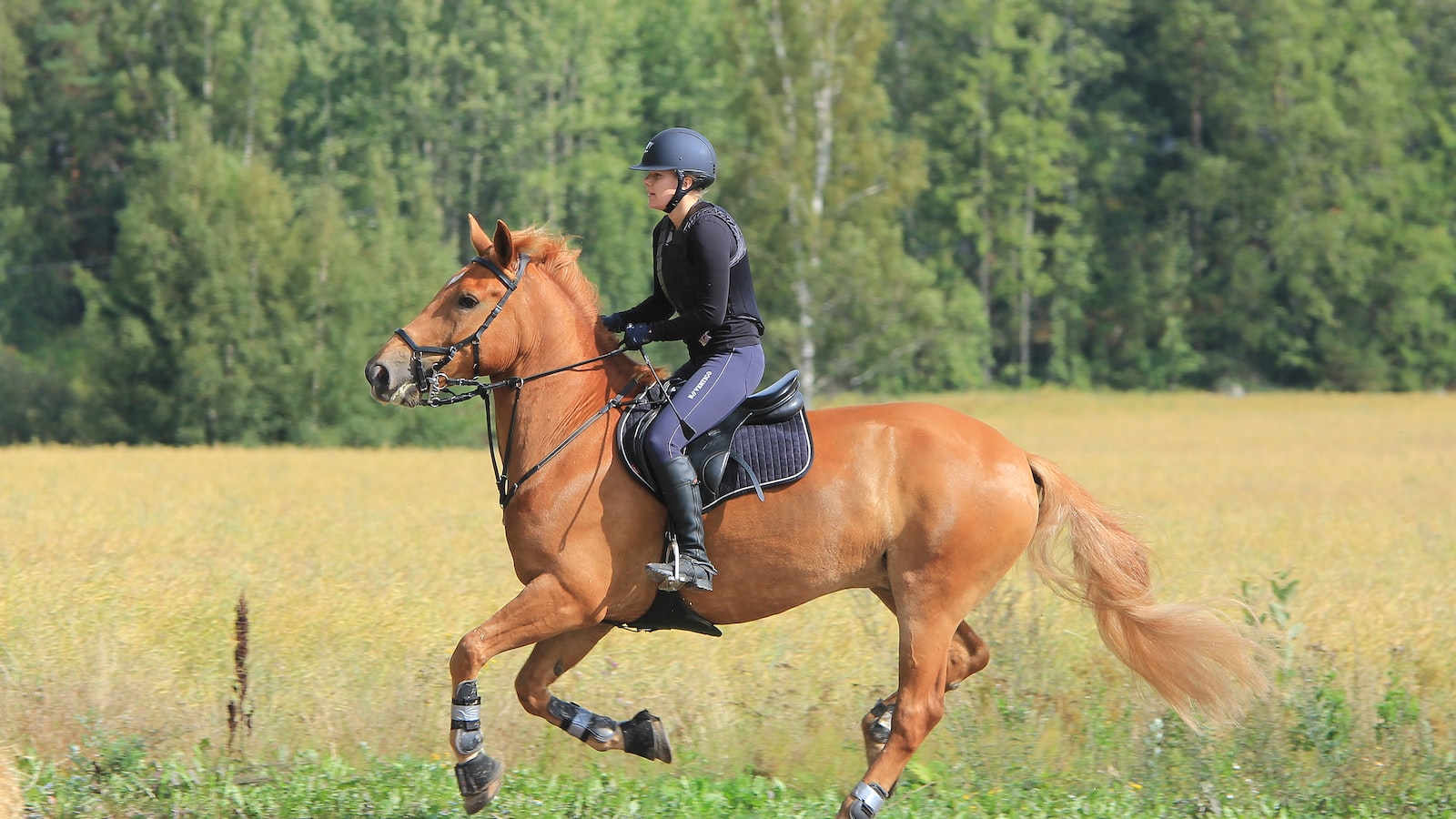
- Equestrian Sports: From dressage to show jumping, the world of equestrian sports thrives on the skills and beauty displayed by horses and their riders.
- Art and Literature: Legendary horses have been the subject of countless works of art and literature, from ancient sculptures and tapestries to modern novels and films, highlighting the enduring fascination we have with these creatures.
Unforgettable Equine Heroes: Mythical Horses that Inspire Legends
Horse Tales: Legendary Horses in Mythology and Folklore
Throughout history, horses have been cherished companions, loyal allies, and symbols of strength and agility. In ancient mythology and folklore, certain horses have risen above the ordinary, becoming legendary figures that inspire awe and wonder. These mythical horses have left an indelible mark on the tales passed down through generations, captivating the imagination of people across cultures and continents. Let’s dive into the enchanting world of unforgettable equine heroes!
1. Pegasus
Perhaps one of the most well-known mythical horses, Pegasus is a winged steed from ancient Greek mythology. Born from Medusa’s blood after her death, Pegasus is often depicted as a majestic white horse with large wings extending from its back. This divine creature symbolizes poetic inspiration, representing the power of imagination and the soaring spirit. Pegasus has been mentioned in numerous ancient texts and remains an enduring symbol of majestic beauty and freedom.
2. Sleipnir
In Norse mythology, Sleipnir is the legendary eight-legged horse ridden by the mighty god Odin. Born to the trickster Loki, Sleipnir possesses incredible speed, allowing Odin to traverse between the realms of the living and the dead effortlessly. This extraordinary horse showcases Odin’s power and serves as a symbol of the divine wisdom and connection to the spiritual world. With its additional legs, Sleipnir is forever ingrained in the tales of Norse mythology.
3. Bucephalus
Another iconic horse from history, Bucephalus was the beloved steed of Alexander the Great, the legendary military leader. Bucephalus was said to possess unmatched strength, agility, and loyalty, carrying Alexander through numerous battles and conquests. The bond between Alexander and Bucephalus was so strong that it became a symbol of their unbreakable friendship and mutual trust. This legendary horse exemplifies the harmonious relationship between humans and equines, showcasing the profound connection that can exist between them.
As we dive into the captivating world of mythology and folklore, we uncover a realm entwined with the majestic presence of horses. These legendary creatures have galloped through the annals of history, embodying strength, grace, and untamed spirit. From the snorting steeds of ancient Greece to the ethereal unicorns of medieval Europe, these horse tales have captured the imaginations of countless generations.
With each page turned and every ancient legend explored, we are reminded of the profound impact horses have had on human culture. These mythical beings not only served as symbols of power and valor, but also represented the deep bond between humans and animals. Whether it be the divine Pegasus soaring through the skies or the loyal Sleipnir carrying the mighty Odin across realms, these horse tales are a testament to humanity’s shared fascination with these noble creatures.
Through the whispers of storytellers and the ink-stained manuscripts of scribes, the legacies of these legendary horses have endured. They have inspired painters to immortalize them on canvas, sculptors to shape their sinewy forms in stone, and poets to weave their tales of unabridged freedom and extraordinary feats. The mere mention of their names conjures visions of galloping hooves, flowing manes, and the exhilarating rush of wind against one’s face.
Yet beyond their mythical allure, these horse tales remind us to recognize the importance of our relationship with the natural world. They teach us to respect and appreciate the beauty and power found within nature, and to understand that magic can be found in even the most ordinary places.
As the final words trail off, and the echo of hoofbeats fades away into the distance, it is clear that the world of mythology and folklore will forever be intertwined with the presence of horses. They will continue to captivate hearts and minds, reminding us of the timeless stories woven throughout the tapestry of human history.
So let us embark on this enchanting journey, where legends are born and horses roam free. May these horse tales continue to inspire us, as we revel in the awe-inspiring beauty of these mythical creatures and the extraordinary stories they carry.