Equestrian Traditions Around the World: A Cultural Exploration
Amidst the enchanting world of horses, where hooves dance gracefully to the rhythm of ancient customs, lies a tapestry of equestrian traditions that stretch across continents. From the vast plains of Mongolia to the elegant arenas in Europe, cultures have long embraced the noble bond between humans and these magnificent creatures. Embark on a journey with us as we delve into the captivating realm of equestrian traditions around the world. Discover the harmonious blend of history, artistry, and heritage that unites horse enthusiasts from every corner of the globe. Hold onto your stirrups, for we are about to embark on a cultural exploration like no other.
The Majesty of the Spanish Riding School: Preserving the Classical Art of Dressage
Equestrian Traditions Around the World: A Cultural Exploration
When it comes to the world of equestrianism, few places can match the grandeur and timeless beauty of the Spanish Riding School. Nestled in the heart of Vienna, Austria, this institution has become synonymous with the preservation and promotion of the classical art of dressage. With a history spanning more than four centuries, the school has not only honed the skills of riders and horses but has also upheld the traditions that have made this art form a cultural treasure.
A visit to the Spanish Riding School is like stepping back in time. The magnificence of the baroque architecture, the meticulously maintained stables, and the perfectly groomed Lipizzaner horses all contribute to the truly awe-inspiring experience. As you enter the main riding hall, you can feel the echoes of centuries of training and dedication that have gone into maintaining the integrity of this art form.
Preserving the Classical Art of Dressage
At the Spanish Riding School, dressage is not just a skill, but a way of life. With a focus on precision, harmony, and finesse, the school strives to preserve the traditional techniques that have been passed down through generations. The riders, known as Bereiters, meticulously practice the movements and exercises, mastering the intricate communication with their horses. This commitment to perfection is not limited to the riders; the horses themselves undergo years of training to ensure they become true ambassadors of the art of dressage.
The training process at the Spanish Riding School is a testament to the patience and dedication required to achieve excellence. Horses begin their education at the age of four, and it takes an average of six to eight years before they are considered fully trained. The careful and gradual approach ensures the physical and mental well-being of the horses, allowing them to develop the strength, agility, and trust necessary to perform the graceful movements that are the hallmark of dressage.
The Bond Between Horse and Rider
One of the key elements that sets dressage apart is the extraordinary connection between horse and rider. At the Spanish Riding School, this bond is nurtured and celebrated. Riders spend years developing a deep understanding of their horses, learning to communicate through subtle cues and body language. This harmonious partnership allows the duo to seamlessly execute movements that appear effortless and fluid.
Beyond the technical aspects, the riders cultivate a genuine love and respect for their equine partners. They become intimately aware of each horse’s unique personality and needs, forming a bond that goes beyond the arena. This mutual trust and affection are at the core of the Spanish Riding School’s philosophy, ensuring the preservation of not only the art of dressage but also the well-being of the horses themselves.
Revealing the Unspoken Language: Riding Styles and Techniques from Around the Globe
Equestrian Traditions Around the World: A Cultural Exploration
Embark on a journey around the world as we delve into the fascinating equestrian traditions that have shaped cultures and societies. From the vast plains of Mongolia to the elegant arenas of France, equestrianism has been a part of human history for centuries. Through this cultural exploration, we will uncover the unspoken language of riding styles and techniques, showcasing the diversity and beauty of horsemanship across different corners of the globe.
1. Mongolian Horseback Riding
Discover the rugged and nomadic traditions of Mongolian horseback riding, deeply intertwined with the country’s rich history and heritage. The Mongolian people have a symbiotic relationship with their horses, relying on them for transportation, hunting, and even warfare. Their unique style of riding, known as “Mongolian Derbish,” emphasizes balance, endurance, and a deep connection with the horse. Riders master the art of using subtle body movements, reins, and vocal cues to communicate with their equine partners, showcasing a deep understanding of the unspoken language shared between human and horse.
2. Spanish Dressage: The Art of Haute École
Step into the realm of Spanish equestrian elegance with the centuries-old art of Haute École. This refined style of dressage showcases the harmonious partnership between horse and rider, reflecting the graceful movements and intricate balance of a ballet. Spanish riders, trained in the classical principles of equitation, demonstrate exquisite control, precision, and impeccable horsemanship. Through intricate maneuvers like the “passage” and “piaffe,” the rider and horse communicate through invisible cues, creating a mesmerizing dance that celebrates the beauty of equestrian artistry.
3. Texas Cowboy: The Spirit of the Wild West
Explore the rugged simplicity and raw power of the Texas Cowboy riding style, deeply rooted in the history of the American West. This iconic equestrian tradition brings forth images of vast open plains, cattle roundups, and fearless riders. The Texas Cowboy exudes a strong and independent spirit, skillfully maneuvering horses with the precision required for cattle work. From traditional Western saddles to expert roping techniques, this riding style represents both a way of life and a timeless link to the heritage of the Wild West.
| Country/Region | Riding Style |
|---|---|
| Mongolia | Mongolian Derbish |
| Spain | Haute École |
| United States (Texas) | Texas Cowboy |
These are just a few examples of the incredible equestrian traditions found around the world. Each region’s unique riding style reflects its history, landscape, and cultural values. Whether it’s the disciplined elegance of Spanish dressage or the free-spirited energy of the Texas Cowboy, the unspoken language of riding transcends words, bridging the gap between humans and horses.
From Traditional Ceremonies to Thrilling Competitions: Exploring Equestrian Festivals Worldwide
Embark on a captivating journey across continents as we delve into the enchanting world of equestrian festivals. From the heartlands of European traditions to the vibrant festivities of Asia and the Americas, these celebrations offer a unique window into the rich cultural heritage surrounding horsemanship.
One cannot discuss equestrian traditions without mentioning the iconic Spanish Riding School in Vienna, Austria. Established in the 16th century, this institution showcases the timeless elegance and precision of classical dressage. Witness the harmonious bond between horse and rider as they perform breathtaking maneuvers, displaying the art of haute école riding. Adorned in traditional attire, the riders, accompanied by majestic Lipizzaner horses, effortlessly execute movements that have been perfected over centuries.
If you crave a more exhilarating equestrian spectacle, then the Mongolian Naadam Festival is not one to miss. Held annually, this festival embodies the nomadic spirit and bravery of the Mongolian people. Delve into the world of horse racing, archery, and wrestling competitions that challenge the strength, agility, and accuracy of both riders and horses. Experience the thrill of galloping across vast steppes as skilled jockeys navigate their steeds to the finish line in a display of true horsemanship.
Beyond Horseback Riding: A Tourist’s Guide to Immersing in Equestrian Cultures
Equestrian traditions are deeply rooted in cultures all around the world. From the Scottish Highlands to the Mongolian steppes, each region has its unique way of embracing the horse and its important role in everyday life. Experience the enchanting beauty of these equestrian cultures and immerse yourself in their traditions, going beyond horseback riding.
1. Scotland: Known for its rugged landscapes and rich history, Scotland offers a fascinating insight into its equestrian culture. The traditional sport of haggis hurling may not involve horses directly, but it showcases the country’s quirky and lively spirit. To get closer to the equine traditions, visit the Royal Highland Show and witness the heart-pounding spectacle of Highland Games, where clans fiercely compete in events like caber tossing and the hammer throw.
2. Mongolia: Step into the vastness of Mongolia’s grasslands and discover the nomadic herding culture that depends on horses. Traverse the endless plains on horseback and witness the stunning horsemanship of the Mongolian nomads, who competently handle their herds. Participate in a Naadam Festival, a celebration of the “three manly sports” of horse racing, wrestling, and archery, where you can witness the skills of the local riders firsthand.
3. Spain: Explore the passionate world of Spanish equestrianism, where the bond between humans and horses runs deep. Witness the equestrian artistry at the famous Rejoneo (bullfight on horseback) in Andalusia, where skilled horsemen duel with bulls. For a more serene experience, visit the Royal Andalusian School of Equestrian Art and admire the elegant pas de deux performed by majestic Andalusian horses and their riders.
| Destination | Unique Equestrian Activity |
|---|---|
| Scotland | Haggis Hurling |
| Mongolia | Naadam Festival |
| Spain | Rejoneo |
The Iconic Influence: Historical and Cultural Significance of Equestrian Traditions
Equestrian Traditions Around the World: A Cultural Exploration
From the steppes of Mongolia to the grand arenas of Spain, equestrian traditions have left an indelible mark on human history and culture. Embraced by countless civilizations throughout the ages, the relationship between humans and horses has shaped the way we travel, wage war, and even celebrate. Let us embark on a cultural journey to explore the historical and cultural significance of equestrian traditions around the world.
1. Royal Connections: One cannot delve into the world of equestrian traditions without acknowledging their profound role in royal cultures. For centuries, horses have been synonymous with power, nobility, and elegance, and have become intertwined with the ruling classes. From the magnificence of the Lipizzaner horses cherished by the Habsburgs to the regal Andalusians favored by Spanish monarchs, horses have served as symbols of prestige and authority throughout history. Royal equestrian events such as dressage and equestrian parades continue to captivate audiences with their timeless grace and grandeur.
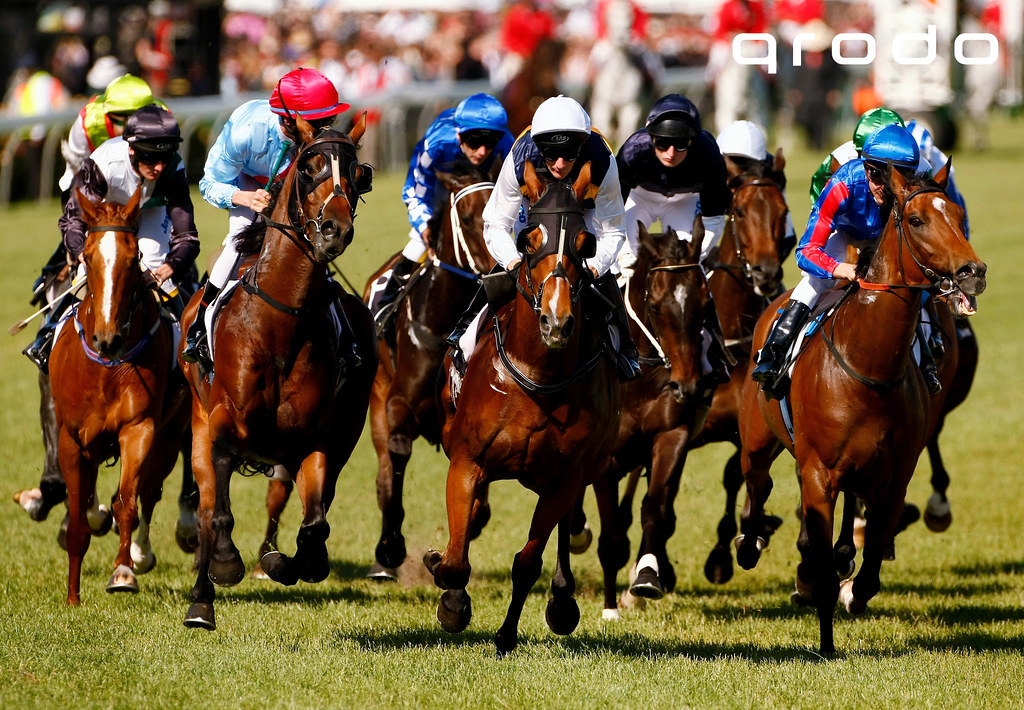
2. Sporting Spectacles: Across the globe, equestrian sports have evolved into popular displays of skill, athleticism, and camaraderie. The prestigious art of horse racing, dating back to ancient civilizations like the Greeks and Romans, continues to captivate enthusiasts in modern-day events such as the Kentucky Derby and the Royal Ascot. The thrill of horse polo echoes the battles of warriors on horseback, while the rhythmic movements of show jumping mesmerize spectators with their grace and precision. Equestrian sports not only entertain but also unite people across borders, creating a shared passion for the equestrian world.
3. Cultural Expressions: Beyond competitive sports and royal associations, equestrian traditions also find their way into cultural expressions around the world. In countries like Mongolia and Argentina, horseback riding is deeply rooted in the daily lives of nomadic herders and gauchos, respectively, as they navigate vast landscapes and work with their livestock. Festivals like the Wild West rodeos in the United States and the medieval jousting tournaments in Europe showcase the intrinsic connection between horses and cultural heritage, allowing communities to relish in traditions that honor their past.
As we conclude this captivating journey exploring equestrian traditions around the world, we find ourselves reflecting upon a tapestry woven with rich cultural threads. From the thundering hooves of the Mongolian nomads to the graceful ballet of Spanish dressage, each region has embraced these majestic creatures, creating a unique bond between man and horse.
In our quest for knowledge, we have witnessed the fervor of the Argentine gauchos as they corralled their herds on the vast pampas. We have marveled at the daring horseback archery skills of the Japanese samurai, showcasing their warrior spirit with each precise arrow released. And we have been enchanted by the captivating rhythms of the Brazilian cowboys, dancing with their horses in a spectacular display of harmony.
It is through understanding these equestrian traditions that we truly begin to appreciate the diversity and beauty of our world. Across continents, horses have seamlessly integrated into various aspects of human cultures, be it in warfare, agriculture, or the art of performance. Their strength, agility, and loyalty have made them indispensable companions throughout history.
As we bid farewell to this cultural exploration, let us not forget the invaluable life lessons these equestrian traditions impart upon us. They teach us the importance of unity, trust, and respect, reminding us of the incredible bond that can be forged between man and animal.
So let us celebrate the enduring legacy of equestrian traditions, for they act as a bridge connecting societies and cultivating a deep appreciation for the values that transcend borders. May we continue to cherish and preserve these remarkable traditions, ensuring that the spirit of the horse gallops bravely into the future, forever intertwining our diverse cultures.