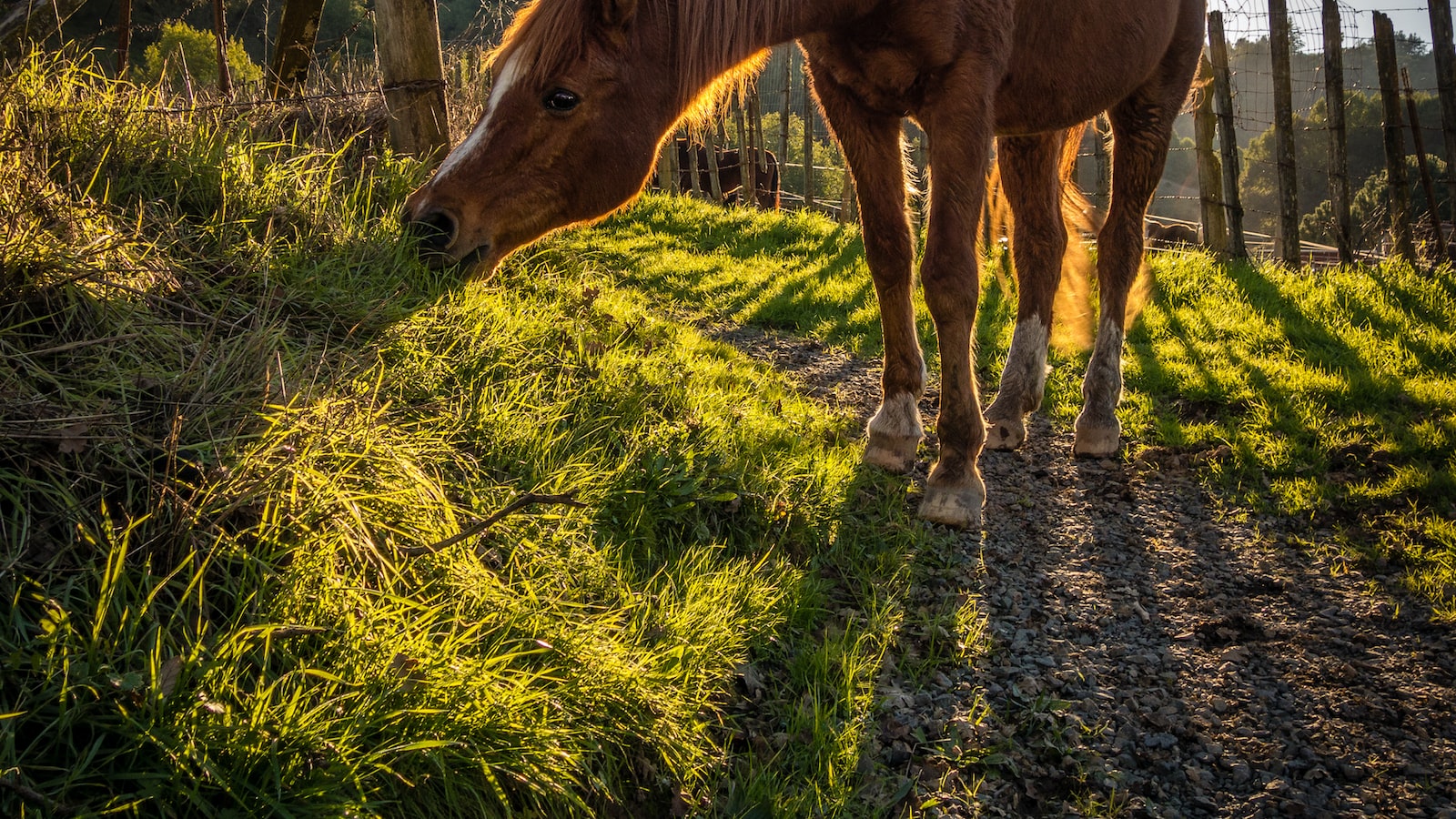
Mastering the Basics: Essential Riding Skills for Beginners
Awakening to the world of horseback riding is like unraveling a secret language. The unspoken connection between rider and steed, the rhythmic dance of hooves on soil, and the gush of wind through your hair—it all creates an enchanting symphony of harmony and grace. But before you can join in the symphony and experience the magic, you must first master the basics. Today, we embark on a journey into the realm of equestrianism, exploring the essential riding skills that lay the foundation for every aspiring rider. Whether you are a wide-eyed beginner or an experienced equestrian seeking to sharpen your skills, this guide will unveil the secrets to becoming a horse and rider united in perfect synchrony. So, grab your saddle, tighten your reins, and prepare to embark on an extraordinary adventure into the world of horseback riding.
Mastering Balance: The Foundation of Riding
Mastering the Basics: Essential Riding Skills for Beginners
When starting your journey into the world of riding, mastering balance is the essential foundation upon which all other skills are built. It is the key to stability and control, allowing you to ride confidently and safely. Whether you are planning to ride a horse, a bicycle, or even a skateboard, developing a strong sense of balance is crucial.
To help you become a master of balance, here are some essential tips for beginners:
- Focus on your core: Strengthening your core muscles is fundamental to developing good balance. Engage your abdominal and back muscles to maintain stability and prevent wobbling. Practice exercises like planks, squats, and yoga poses that target the core area.
- Find your center of gravity: Understanding where your body’s center of gravity lies is crucial for maintaining balance. Experiment with shifting your weight forward and backward, side to side, and diagonally. Once you discover your personal center of balance, you will be able to adjust and adapt easily to different riding situations.
- Practice balancing exercises: There are various exercises you can incorporate into your training routine to improve your balance. Start with simple activities like standing on one leg or walking along a narrow line. Gradually progress to more challenging exercises, such as riding a balance board or practicing tight turns on a bike.
Remember, mastering balance takes time and consistent practice. Don’t be discouraged if you experience initial difficulties. With determination and patience, you will soon develop a strong foundation of balance, setting the stage for more advanced riding skills.
Mastering the Rein: A Guide to Proper Hand Positioning
The Importance of Hand Positioning
When it comes to horse riding, proper hand positioning is the foundation of effective communication between rider and horse. It allows for a clear and consistent connection, helping beginners establish control and balance. With the right hand position, riders can guide their horses, maintain a light and responsive contact, and communicate their intentions effectively.
Tips for Proper Hand Positioning
Here are some essential tips to help beginners master the basics of hand positioning:
- Thumb on Top: Keep your thumbs on top of the reins, maintaining a light but secure grip. This allows for flexibility and prevents the reins from slipping out of your hands.
- Soft Elbows: Maintain soft elbows, allowing your arms to act as shock absorbers. This way, you can follow the horse’s rhythm more effectively and avoid sending mixed signals through rigid arms.
- Relaxed Shoulders: Keep your shoulders relaxed and down, avoiding tension in your upper body. This not only helps you maintain balance but also ensures that your horse can feel your subtle cues through a softer contact.
- Even Rein Length: Make sure your reins are of equal length, allowing for consistent contact on both sides of the horse’s mouth. Uneven rein length can lead to confusion and imbalance.
- Independent Hands: Develop independent control of each hand, enabling precise and separate cues. This allows you to communicate with your horse more effectively without confusing or overloading them.
Summary
Proper hand positioning is essential for beginners to establish effective communication and control while riding. Remember to keep your thumbs on top, maintain soft elbows, and relax your shoulders. Aim for even rein length and develop independent control of each hand. With practice and attention to these basics, mastering the rein will be within reach, helping you become a skilled and confident rider.
Mastering the Seat: Developing a Secure and Effective Position
Mastering the Basics: Essential Riding Skills for Beginners
When it comes to horseback riding, one of the fundamental skills every rider needs to develop is a secure and effective position in the saddle. Mastering the seat is crucial for maintaining balance, staying in control, and communicating effectively with your horse. By following these essential tips and tricks, beginners can start their equestrian journey on the right hoof.
1. Find your center: The first step in developing a secure position is to find your balance. Imagine a straight line running through your ear, shoulder, hip, and heel. This alignment helps distribute your weight evenly and ensures a stable base in the saddle. Be mindful of keeping your upper body relaxed and upright, avoiding the temptation to lean too far forward or backward.
2. Engage your core: Building a strong core is essential for maintaining stability and control while riding. Engage your abdominal muscles by drawing your belly button in towards your spine. This not only helps your balance but also provides a solid foundation for effective communication with your horse. Remember to breathe deeply and maintain a relaxed posture to allow your core to work effectively.
3. Perfect your leg position: Your leg position plays a vital role in maintaining balance and giving clear cues to your horse. Your stirrup should sit on the ball of your foot, allowing your heel to be slightly lower than your toes. This allows for a deeper seat and ensures a secure position. Maintain a slight bend in your knees and ensure your legs are relaxed, not gripping too tightly. A balanced leg position enables your aids to be precise and helps you respond effectively to your horse’s movements.
Mastering the Cue: Understanding and Implementing Leg Aids
Mastering the Basics: Essential Riding Skills for Beginners
In the world of equestrianism, effective communication between horse and rider is paramount. One crucial aspect of this communication is the correct use of leg aids. Understanding and implementing leg aids can greatly enhance your riding skills, allowing you to effectively communicate with your equine partner in a clear and concise manner.
Leg aids are the subtle cues you give to your horse using your legs, feet, and heels. These aids are used to indicate direction, speed, and intensity of movement. Developing a strong understanding of leg aids will not only improve your overall control but also deepen your connection with your horse.
So, how can you master the art of leg aids? Here are some key tips to get you started:
- Position and Alignment: Ensure that your legs are relaxed, positioned correctly, and in alignment with your horse’s body. This will help you maintain balance and stability while giving clear signals to your horse.
- Knowing the Aids: Familiarize yourself with the different types of leg aids, such as the squeeze, bump, and pressure release. Each aid has a specific purpose and effect on your horse’s movement.
- Gradual Progression: Start by applying light pressure and gradually increase as needed. Horses respond better to gentle aids rather than sudden, forceful actions.
By mastering leg aids, you open the door to a whole new level of rider-horse communication. Remember, practice makes perfect, so be patient with yourself and your horse as you embark on this journey of mastering the basics.
Mastering the Transition: Smoothly Changing Gaits for Seamless Riding Experience
Mastering the Basics: Essential Riding Skills for Beginners
Smoothly Changing Gaits for Seamless Riding Experience
Riding a horse is not just about sitting in the saddle and hoping for the best. It requires a combination of skills and techniques to ensure a comfortable and enjoyable experience for both the rider and the horse. One of the fundamental skills every beginner rider should master is smoothly changing gaits. This skill allows for a seamless transition between different speeds, which is essential for various riding situations.
So, how can you master the art of smoothly changing gaits? Here are some tips to get you started:
- Establish a solid foundation: Before attempting to change gaits, it’s crucial to have a strong foundation in the basic riding skills. This includes having a balanced seat, proper hand position, and effective leg aids. Practice these fundamental skills until they become second nature.
- Use clear and consistent aids: Communication is key in riding. When asking your horse to change gaits, be clear and consistent with your aids. Use your legs, seat, and reins in a coordinated manner to provide clear signals to your horse.
- Focus on rhythm and balance: Smooth gait transitions rely on maintaining a consistent rhythm and balance throughout. Keep your body relaxed and in tune with your horse’s movements. Practice maintaining a steady rhythm in each gait before attempting to change to another.
Remember, becoming a skilled rider takes time and practice. Don’t get discouraged if it doesn’t come naturally at first. With dedication and patience, you’ll soon be able to smoothly change gaits and enjoy a seamless riding experience.
As we conclude this exhilarating journey through the realm of riding, we hope that you have gained an invaluable set of skills that will propel you towards equestrian mastery. Remember, mastering the basics is the key to unlocking endless possibilities on horseback.
With every stride, every trot, and every canter, you have discovered the true essence of communication between horse and rider – an unspoken language that can only be understood by those who have embarked on this enchanting adventure. The bond formed between human and equine is one that exemplifies trust, grace, and harmony.
As a beginner, you have embraced the importance of balance, understanding that equilibrium is not just essential in the saddle but also in life itself. You have learned to sync your body with the rhythmic cadence of your noble steed, creating a symbiotic partnership that transcends mere physicality.
The fundamentals of rein aids, leg cues, and body positioning have become second nature to you, weaving together seamlessly as you navigate the equestrian landscape with finesse and poise. Each and every lesson has shaped you into a rider who commands attention and respect, both from your equine companion and from all those who witness your polished technique.
Yet, this is merely the beginning of a lifelong odyssey. The road to equestrian excellence stretches endlessly before you, with new challenges awaiting at every turn. As you continue to grow and refine your skills, remember to immerse yourself in the artistry of riding and to embrace the thrill of each progression.
Never forget the exhilaration that pumps through your veins as you mount your faithful companion, the wind whispering secrets of freedom in your ears. Cherish every hard-fought victory, every moment of unity, and every opportunity to connect with these magnificent creatures that carry us to extraordinary realms.
So, dear beginner rider, fortified with the time-honored wisdom of mastering the basics, go forth and conquer the equestrian world with unwavering determination and awe-inspiring talent. The beauty and splendor of the equine realm await your inimitable touch.
As the sun sets on this article, may it serve as a stepping stone, a guiding light, and a source of inspiration for all those who wish to embark on this timeless journey. Master the basics, and let them be your foundation as you soar to new heights astride your equine partner. Happy riding!