Balancing Hoof Health: Tips for Maintaining Strong Equine Feet
In the rhythmic gallop of a horse, lies an incredible marvel of nature – their powerful and elegant hooves. These magnificent structures not only support the immense weight of these majestic creatures, but also bear the responsibility of carrying them through life’s many adventures. As caretakers of these precious companions, it is our duty to ensure the wellbeing of their feet, for their hooves are the foundation on which they stride. In this article, we delve into the art of balancing hoof health and explore useful tips to maintain strong equine feet. From trimming techniques that promote optimal structure to diet considerations that nourish from within, join us on a journey where science and care intersect, and discover the secrets to fostering sturdy and resilient hooves. Let us embark on this endeavor, as we unravel the secrets to preserving the very essence of equine agility – their feet.
The Importance of Regular Farrier Visits: Ensuring Optimal Hoof Health
Proper hoof care is essential for maintaining the overall well-being of your equine companion. Regular farrier visits play a vital role in ensuring optimal hoof health. By understanding the importance of these visits, you can take the necessary steps to keep your horse’s feet in top condition.
Here are some tips for maintaining strong equine feet:
- Schedule regular farrier visits: Regular appointments with a professional farrier are crucial for keeping your horse’s hooves in prime condition. A skilled farrier will trim and balance the hooves, ensuring proper weight distribution and alignment. This helps prevent issues like lameness and promotes healthy growth.
- Practice good hoof hygiene: Daily cleaning of your horse’s hooves is essential to remove dirt, debris, and bacteria that can lead to infections or abscesses. Regularly pick out the hooves, paying attention to the frog, sole, and hoof walls. This routine maintenance can help prevent common hoof problems.
- Provide a balanced diet: Proper nutrition is crucial for maintaining strong and healthy hooves. Ensure your horse’s diet includes adequate levels of essential nutrients like biotin, zinc, and copper. Consult with a veterinarian or equine nutritionist to determine the appropriate diet for your horse’s specific needs.
Remember, a horse’s hooves are the foundation of their well-being, and neglecting them can lead to serious health issues. By following these tips and prioritizing regular farrier visits, you can help ensure your equine friend has strong and healthy feet, enabling them to thrive in their daily activities.
| Common Hoof Problems | Symptoms | Treatment |
|---|---|---|
| Thrush | Strong, foul odor; black discharge; sensitivity | Regular cleaning; applying medicated solutions |
| White Line Disease | White, crumbly, or powdery texture in the hoof wall; separation between the hoof wall and sole | Trimming affected areas; application of specific anti-fungal treatments |
| Laminitis | Lameness, increased digital pulse, abnormal stance; heat in the hooves | Managing diet; providing proper hoof support; veterinary care |
Proper Nutrition and Diet: Fueling Strong and Resilient Equine Hooves
Your horse’s hoof health is crucial for their overall well-being and performance. Just like other aspects of equine care, maintaining strong and resilient hooves starts from the inside out. Proper nutrition and diet play a significant role in ensuring your horse’s hooves stay in top condition. Let’s explore some tips on balancing hoof health through a well-rounded diet.
1. Provide Adequate Essential Nutrients
One of the key factors in promoting strong hooves is ensuring your horse receives a balanced diet that contains essential nutrients. These include:
- Protein: Essential for tissue repair and hoof growth.
- Vitamins: Particularly biotin and vitamin E, which support hoof integrity and growth.
- Minerals: Zinc, copper, and selenium are essential for hoof strength and resilience.
- Omega-3 Fatty Acids: Found in flaxseed and fish oil, these fatty acids contribute to hoof moisture and elasticity.
Analyze your horse’s feed to ensure it provides adequate levels of these nutrients. If necessary, consult with a veterinarian or equine nutritionist to establish a balanced diet that meets your horse’s specific needs.
2. Pay Attention to Forage Quality
Forage, such as hay or pasture, is a crucial component of a horse’s diet. Good-quality forage not only supports overall health but also contributes to hoof strength. Opt for forage with a balanced mineral content, as deficiencies can negatively impact hoof quality. Regularly assess the condition of your horse’s hooves, and if you notice any issues, consider adjusting the forage or adding mineral supplements to address potential deficiencies.
3. Monitor Carbohydrate Intake
Controlling carbohydrate intake is vital for maintaining optimal hoof health. High levels of sugars and starches can disrupt the microbial balance in the gut, leading to conditions like laminitis. Avoid overfeeding high-carbohydrate feeds and limit access to lush pasture, particularly during periods of rapid grass growth. Instead, provide low-starch options like beet pulp or alfalfa pellets to ensure a balanced diet without compromising hoof health.
By focusing on proper nutrition and diet, you can fuel your horse’s hooves to be strong, resilient, and ready for any task that comes their way. Remember, every horse is unique, so be sure to tailor their diet and care plan accordingly. With consistency and attention to detail, you can help your equine companion maintain healthy hooves for a lifetime.
Daily Maintenance and Cleaning: Steps for Preventing Common Hoof Issues
Proper hoof care is essential for maintaining the overall health and soundness of your equine companion. By incorporating a regular maintenance routine and taking preventive measures, you can ensure strong, healthy hooves that will keep your horse’s feet happy and comfortable. Here are some useful tips to help you in balancing hoof health:
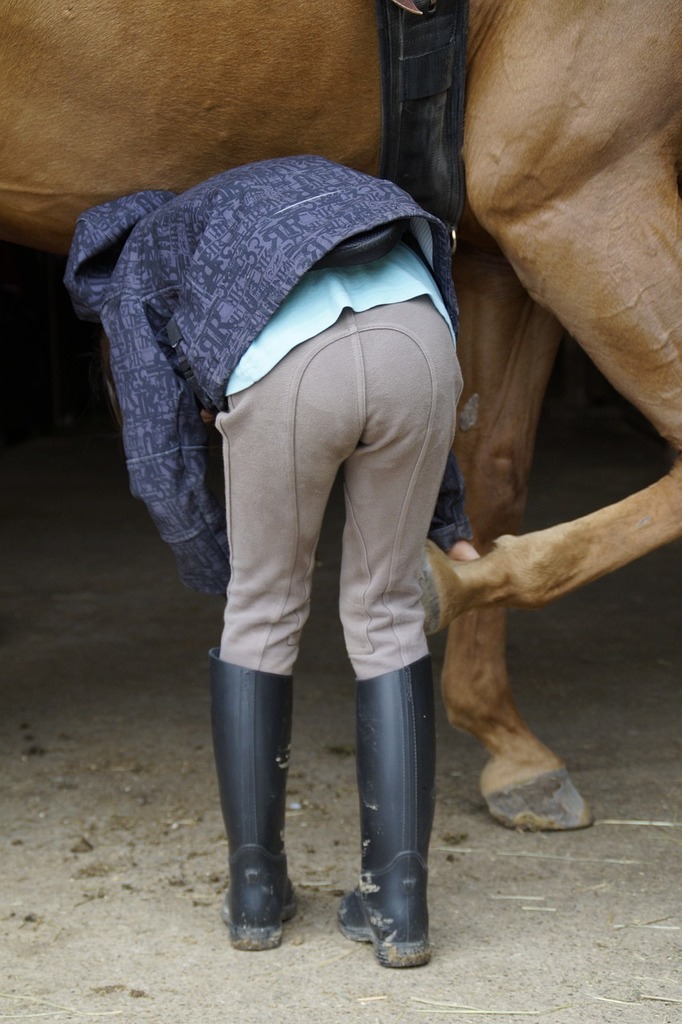
1. Clean Daily: Start by thoroughly cleaning your horse’s hooves every day. This helps remove dirt, debris, and bacteria that can lead to infections and other hoof issues. Use a hoof pick to carefully clean out the central sulcus, collateral grooves, and bars. Regular cleaning also allows you to spot any abnormalities or signs of trouble before they escalate into bigger problems.
2. Trim Regularly: Regular hoof trimming is crucial in maintaining optimal hoof health. It helps prevent overgrowth, imbalances, and strain on the tendons and ligaments. Ensure that you hire a qualified farrier who can trim your horse’s hooves according to their specific needs. By maintaining a proper hoof balance, you’ll reduce the risk of developing common issues like cracks, thrush, and lameness.
| Hoof Care Do’s | Hoof Care Don’ts |
|---|---|
| • Keep the hooves clean and dry. | • Avoid using harsh chemicals on the hooves. |
| • Provide a well-balanced diet with essential nutrients. | • Don’t neglect regular farrier visits. |
| • Maintain an appropriate exercise routine to promote circulation. | • Don’t leave wet or muddy bedding for prolonged periods. |
3. Monitor and Adapt: Always keep a close eye on your horse’s hooves and pay attention to any changes or signs of discomfort. Regularly check for signs of cracks, thrush, white line disease, or hoof wall separation. If you notice any of these issues, consult with your veterinarian or farrier for further evaluation and treatment. It’s vital to adapt your hoof care routine based on your horse’s individual needs and the specific environmental conditions they are exposed to.
By following these guidelines and maintaining consistency in your horse’s hoof care routine, you’ll be on the right track to preventing and managing common hoof issues. Remember, strong hooves are the foundation for equine soundness, so invest the time and effort needed to keep those feet happy and healthy.
Appropriate Exercise and Terrain: Promoting Strong Hoof Structure
When it comes to maintaining strong equine feet, proper exercise and appropriate terrain play a crucial role. Regular physical activity not only keeps horses fit and healthy, but it also contributes to the development of strong hoof structures. Here are some tips to help you ensure your horse gets the right exercise and navigates suitable terrain:
1. Varied Exercise
Engaging your horse in a diverse range of exercises is essential for promoting strong hoof structure. This includes a mix of activities such as lunging, trotting, and cantering. When your horse engages in these movements, the impact on their hooves helps stimulate blood circulation and promotes the development of healthy, robust hoof tissue. Regular exercise also aids in preventing hoof imbalances and strengthens the muscles and ligaments surrounding the hooves, ultimately enhancing overall hoof health.
2. Balanced Terrain
The terrain your horse walks on can significantly impact their hoof health. While different surfaces provide various benefits and challenges, it is crucial to strike a balance. Here are some terrain considerations:
- Grass Pastures: Offer a soft and forgiving surface that promotes hoof flexibility and natural shock absorption. The natural unevenness challenges the hooves, strengthening them over time.
- Dirt Trails: Provide a slightly firm surface that aids in conditioning the hooves. Avoid trails with excessive mud or rocks that can cause undue strain.
- Gravel or Stone Dust: These surfaces can be beneficial in developing strong hooves as they provide a firm yet yielding environment. However, gradual introduction and limited exposure are key to prevent discomfort or potential injury.
3. Regular Trimming and Farrier Checks
Proper hoof care and regular maintenance are indispensable for promoting strong hoof structure. Scheduling regular farrier visits ensures your horse’s hooves remain balanced and free from cracks or chips. Trimming helps maintain the correct hoof length, preventing undue strain on the joints and tendons. Consult with a professional farrier to determine the trimming and maintenance schedule tailored to your horse’s specific needs.
Supplemental Support: Effective Strategies for Enhancing Hoof Strength
When it comes to maintaining strong equine feet, proper hoof health is of utmost importance. While regular hoof care routines are essential, supplemental support can greatly enhance your horse’s hoof strength and overall well-being. Here are some effective strategies to help you balance hoof health and ensure your equine companion has the sturdiest feet possible:
1. Adequate Nutrition:
Your horse’s diet plays a crucial role in maintaining healthy feet. Ensure they receive a well-balanced diet with proper nutrients to support hoof growth. Include a good source of biotin, an essential B vitamin known for promoting healthy hoof development. Talk to your veterinarian or equine nutritionist to determine the most suitable diet for your horse’s specific needs.
2. Regular Trimming and Maintenance:
Maintaining frequent visits from a trusted farrier is vital for hoof strength. Trimming should be done every 6-8 weeks to prevent overgrowth and cracks. Regular maintenance will help distribute weight evenly and minimize the risk of imbalances or potential injuries. Your farrier can also assess your horse’s hooves, identifying any potential issues early on and recommending appropriate corrective measures.
3. Effective Use of Supplements:
Supplements formulated specifically for hoof health can provide the additional support your horse’s feet need. Look for products containing ingredients like biotin, amino acids, and omega-3 fatty acids. These can strengthen the hoof structure, promote healthier growth, and reduce the likelihood of cracks or weak hooves. Always consult with your veterinarian before introducing any new supplements to your horse’s diet.
As the sun dips below the horizon, casting a gentle glow across the rolling pastures, we bid farewell to our exploration into the realm of hoof health. The journey has been a fascinating one, revealing the delicate balance that supports every horse’s graceful strides. From the mysteries hidden within the depths of the hoof to the nurturance required to maintain sturdy equine feet, we have delved into the secrets that lie beneath these silent creatures.
But our quest does not end here. For every equine enthusiast, the quest for maintaining strong hoof health is an ongoing pursuit – a sacred dance between horse and caretaker. It is a constant battle against time, weather, and the multitude of factors that threaten these remarkable animals’ vital foundation. Yet armed with knowledge, dedication, and a touch of artistry, we can paint a picture of soundness and strength.
As the curtain falls, we leave you with a few parting tips to ensure your equine companion strides confidently on their journey towards hoof health:
First and foremost, embrace the crucial role of regular farrier visits. These skilled artisans will shape the balance in your horse’s hooves, trimming away excesses and crafting an impeccable equilibrium. Remember, the hoof’s natural mechanism for growth demands meticulous attention, and a skilled farrier is a trusted companion on this quest.
Never underestimate the importance of proper diet. Ensuring your horse has access to a well-balanced diet filled with the necessary nutrients, vitamins, and minerals is essential for strong hoof growth. Like a painter with their palette, carefully select the components that will render your equine’s hooves resistant to the perils of time.
Adequate exercise and turnout should never be overlooked. In the vast meadows and open fields, your horse will find both freedom and strength. The rhythmic pounding of their hooves against the earth will stimulate circulation, enhance hoof growth, and strengthen the very core of their being.
Lastly, breathe in the sweet scent of patience. Nurturing hoof health is an intricate dance of time, perseverance, and dedication. The results may not be immediate, but the rewards will be everlasting. Maintain a regimented hoof care routine, observing changes and seeking professional advice when needed. Soon enough, your equine companion will reveal their gratitude through each confident step they take.
As we conclude this chapter on balancing hoof health, we hope to have inspired you to embark on this journey alongside your equine partner. Together, with a harmonious blend of science and art, we can safeguard these magnificent creatures from the perils that lie below. As the moon rises overhead, let us bid adieu to this tale, and farewell to the trials and triumphs that await us on the path to maintaining strong equine feet.